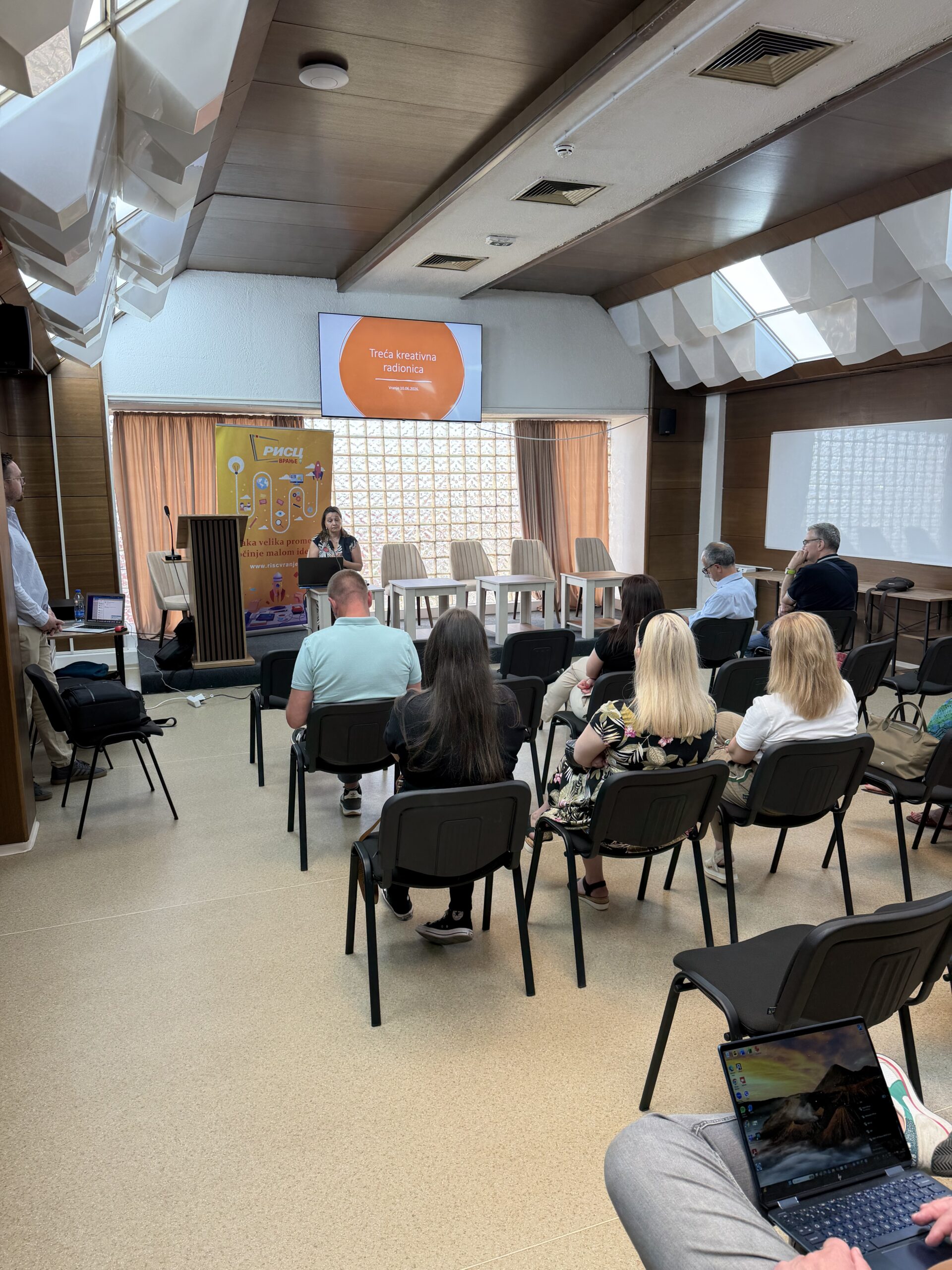
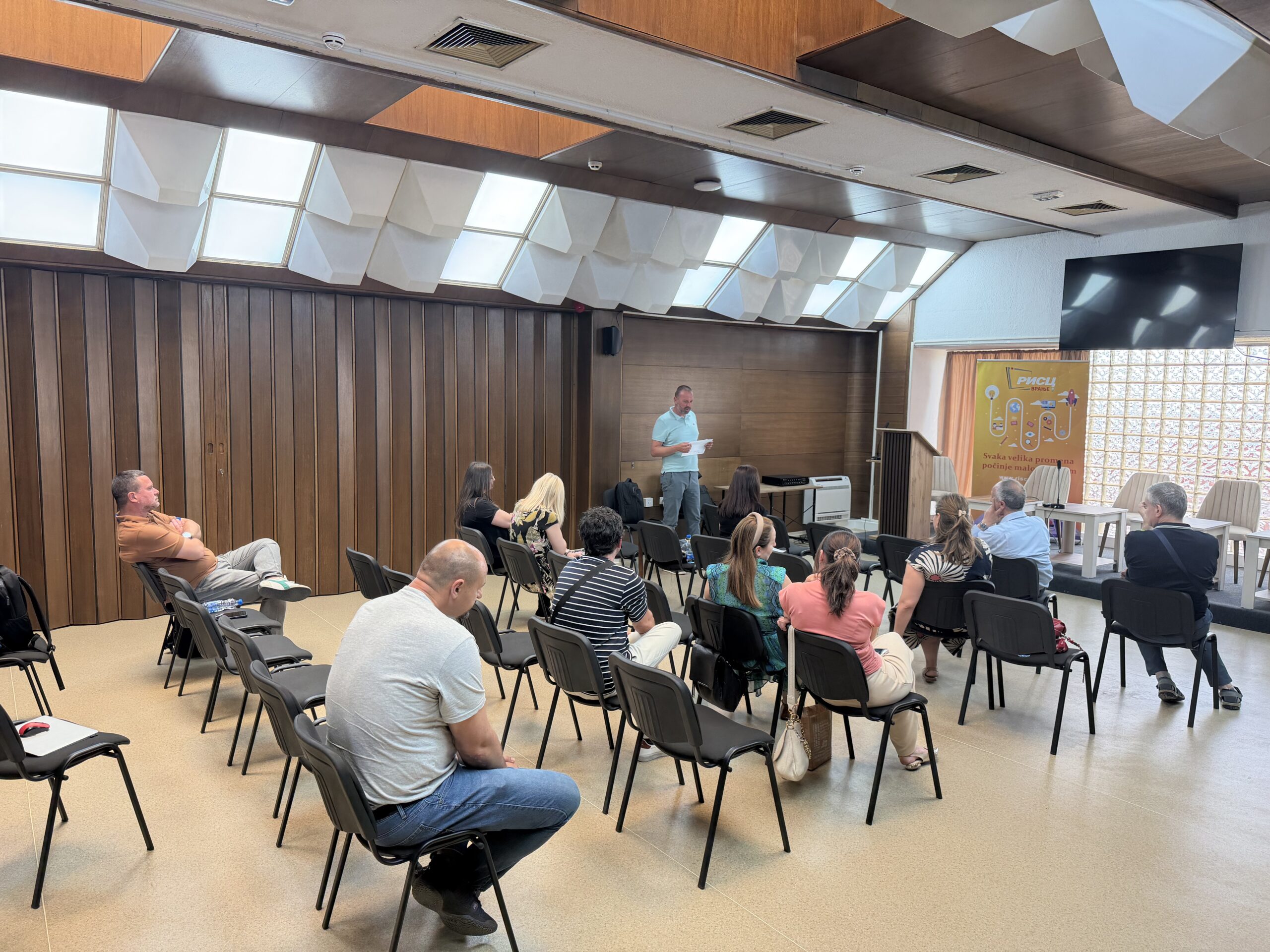
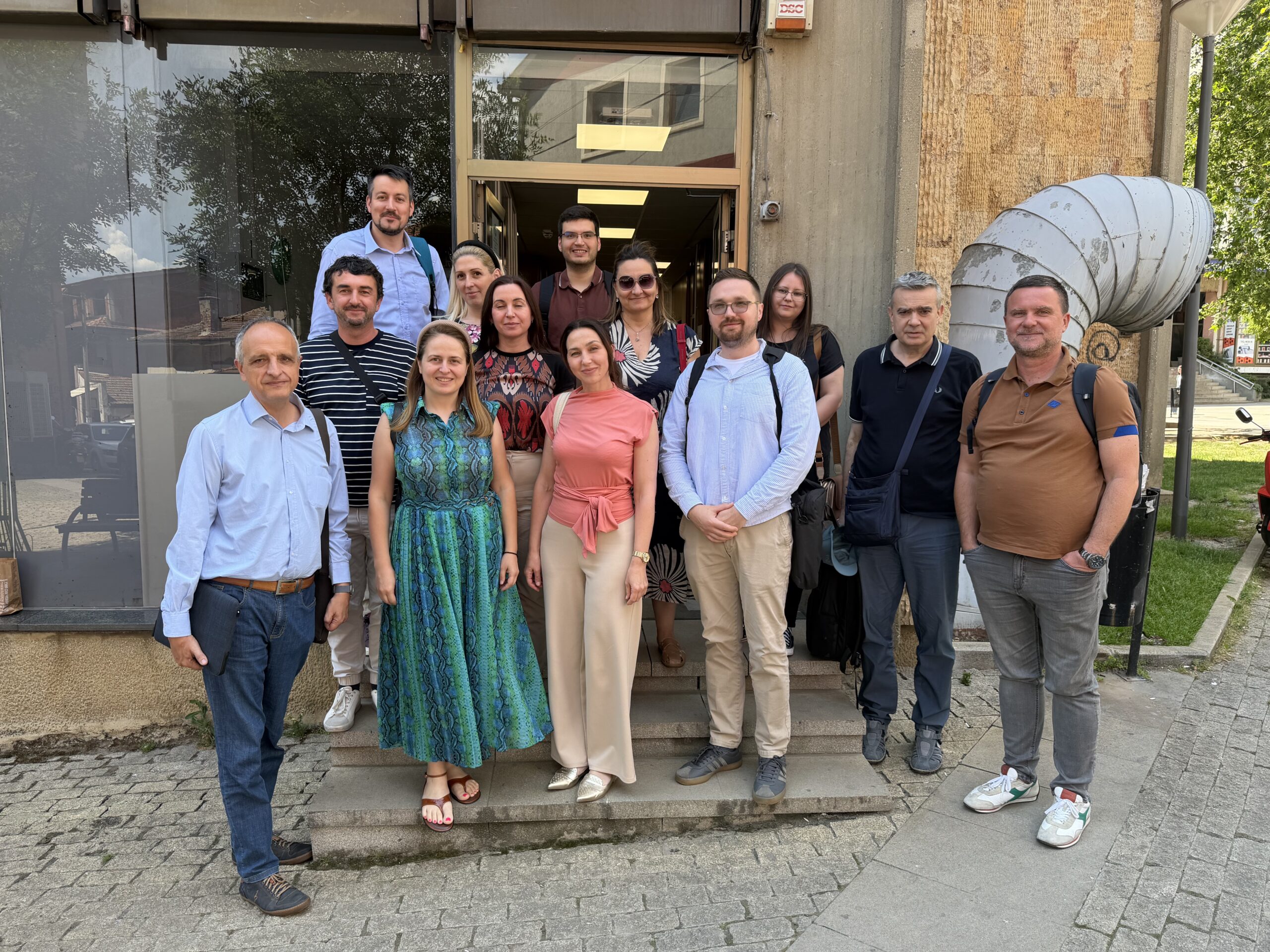
Within the implementation of the FF GreEN project, funded by the Science Fund of the Republic of Serbia through the PRISMA programme, the third backcasting workshop was successfully conducted, representing the final stage of the participatory process for defining the energy transition pathway for households. The workshop was held on 10 May 2026 in Vranje, in the Načelstvo Hall, with the participation of representatives of local self-government, the professional community, the energy sector, civil society organisations, and the project research team.
The third workshop focused on consolidating and verifying the results of the previous research phases, including the defined scenarios for the development of heating systems, the outcomes of the participatory process, and the findings of quantitative analyses. Particular attention was given to assessing the possibilities for implementing the identified measures and defining final recommendations for accelerating the green energy transition of households.
At the beginning of the workshop, an overview was provided of the results of the previous workshop, during which alternative scenarios for the development of heating systems were identified, influential factors were analysed, and a preliminary roadmap for the energy transition of households in Vranje was defined. Participants reflected on the previously conducted scenario evaluation and the results of the multi-criteria analysis, which served as the basis for further work.
The results of a survey conducted among households in Vranje during 2026 were then presented. The analysis covered existing patterns of energy consumption, dominant heating systems, household readiness to adopt new technologies, and the identification of key economic, technical, and social barriers to the implementation of the energy transition.
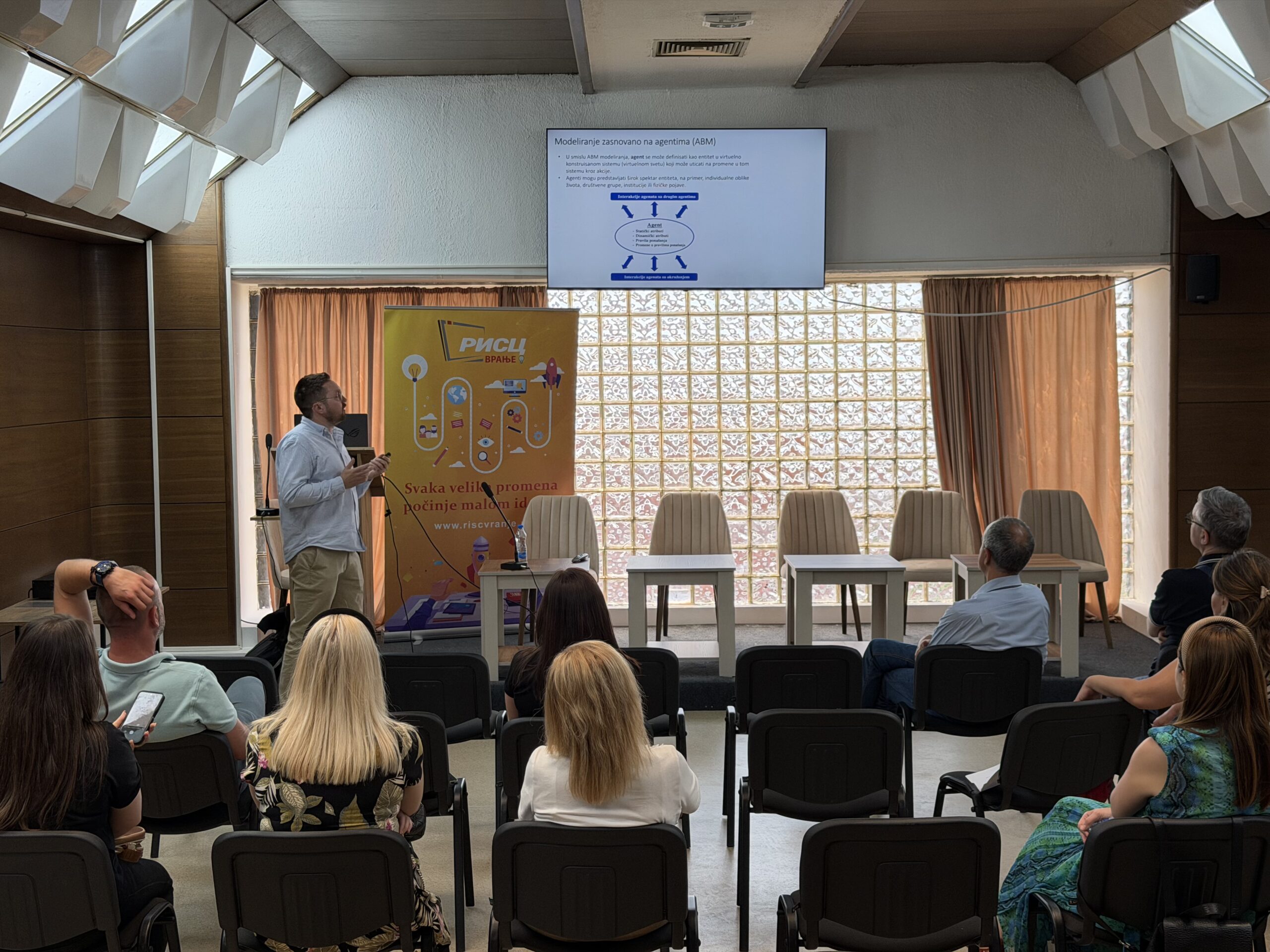
A special segment of the workshop was dedicated to presenting the results of agent-based modelling (ABM) of household behaviour. The presented models enabled the simulation of different development pathways and the assessment of the effects of policies and measures on the dynamics of adopting sustainable energy solutions in the household sector.
Based on the previous analyses, the final synthetic scenario for the development of heating systems was presented, integrating elements of energy efficiency, infrastructure modernisation, the development of district heating systems, and an increased share of renewable energy sources. The expected effects on reducing energy consumption, improving air quality, and increasing the resilience of the energy system were analysed (Figure 3).
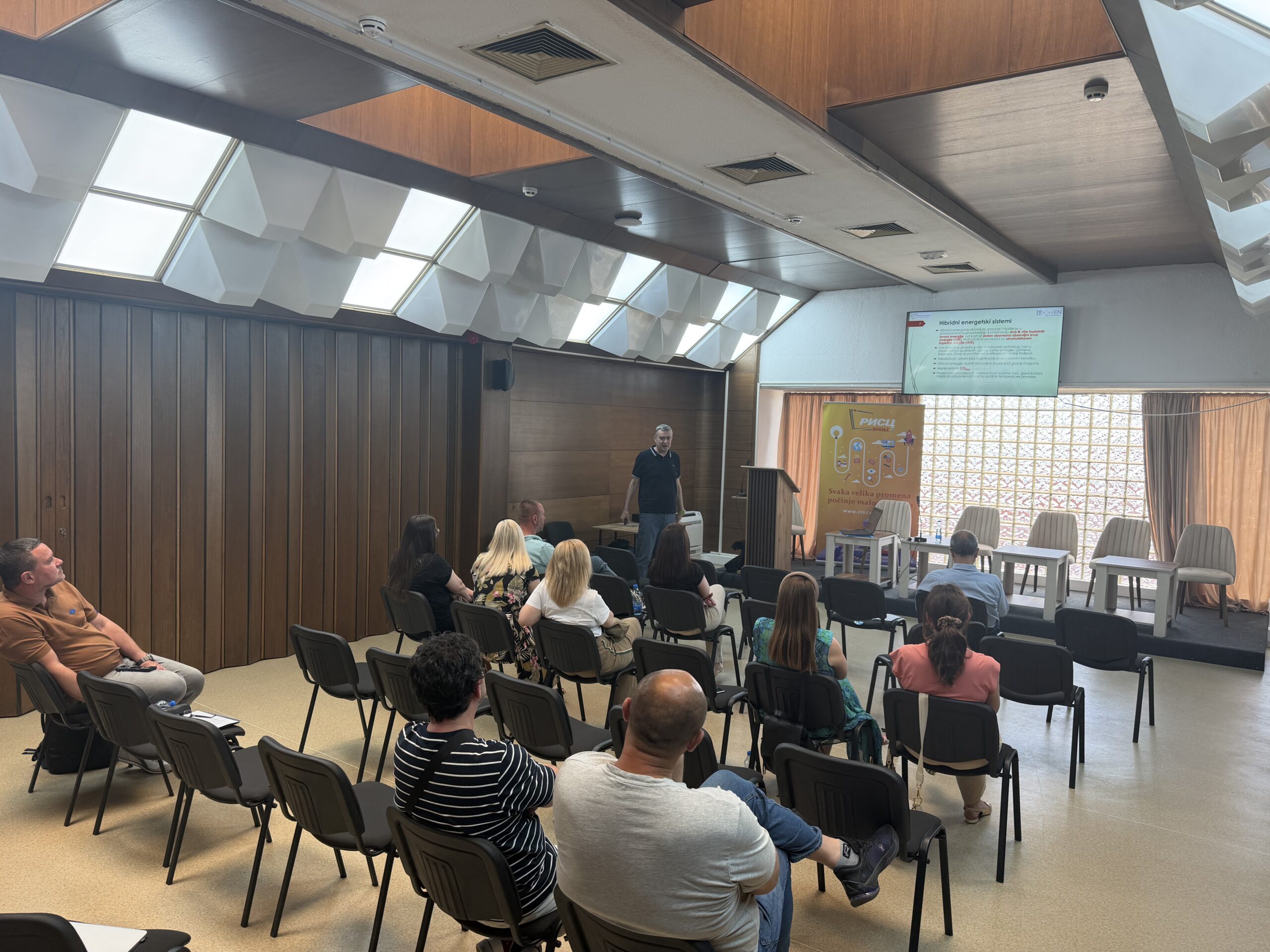
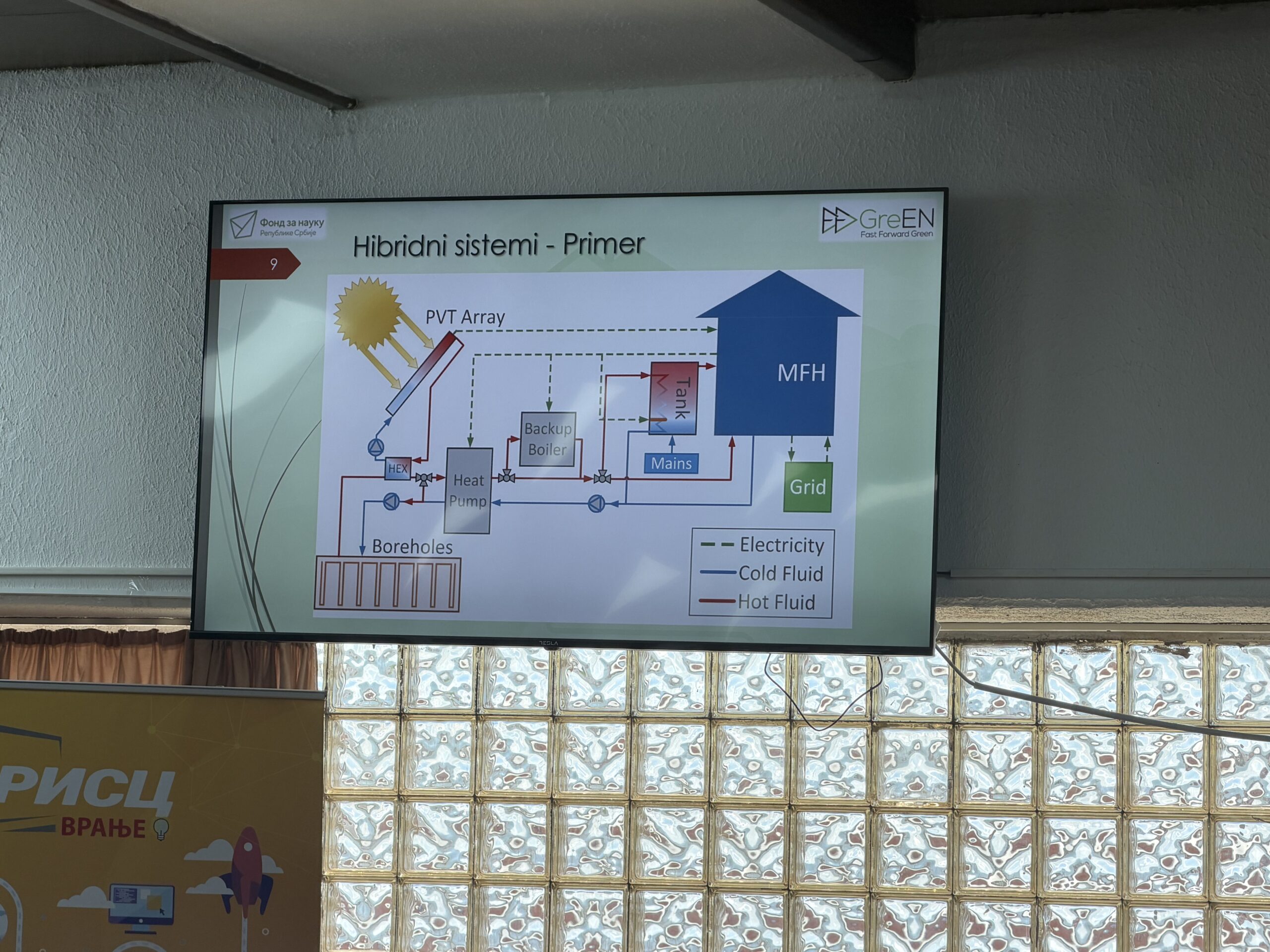
The workshop continued with a discussion on the possibilities for applying hybrid energy systems in households, with particular reference to the combination of heat pumps, solar systems, and other decentralised technologies. The need for an integrated approach was emphasised.
A specific contribution of the workshop was the presentation of the concept of an energy community as a mechanism for actively involving citizens in the energy transition.
The final part of the workshop was organised through group work, with the aim of identifying additional measures and activities necessary for the implementation of the defined scenario. The proposed measures were grouped into technical, regulatory, economic, and educational-sociological instruments.
In conclusion, the results of the third workshop confirm that achieving the defined vision requires a combination of improved energy efficiency, infrastructure development, the application of renewable energy sources, and the active involvement of citizens in the decision-making process. The obtained results will serve as the basis for finalising the development scenarios and formulating recommendations within the final phase of the FF GreEN project.